Natural Wellness and Vitality for Men
Holistic Self-Care Insights for Life After 40
Understanding Age-Related Changes
As men age, the body undergoes natural physiological changes. Rather than viewing these changes as decline, a holistic wellness perspective recognizes them as natural transitions that require adjusted approaches to nutrition, exercise, and lifestyle practices.
Age-related changes are normal and expected. Understanding these changes contextually—rather than pathologically—allows for informed adjustments to support continued vitality and well-being.
Key areas of focus for mature male wellness include maintaining muscle tone, supporting cardiovascular health, optimizing sleep quality, managing stress effectively, and ensuring adequate nutritional intake.

Nutrient Density for Sustained Energy
Nutritional needs evolve throughout life. For men seeking to maintain vitality and energy levels, focusing on nutrient-dense foods becomes increasingly important.
Protein and Muscle Support
Adequate protein intake supports muscle maintenance and recovery. Quality protein sources include fish, poultry, legumes, dairy, nuts, and seeds.
Micronutrient Optimization
Essential minerals like magnesium, zinc, and selenium support multiple physiological processes. These are found in whole grains, leafy greens, nuts, and seeds.
Antioxidant-Rich Foods
Berries, leafy greens, and other colorful vegetables provide compounds that support cellular health and overall well-being.

Physical Activity and Movement
Regular physical activity remains one of the most powerful tools for maintaining vitality across the lifespan. For men, a balanced approach includes:
- Resistance Training: Strength work supports muscle maintenance and bone density.
- Cardiovascular Activity: Regular aerobic exercise supports heart health and endurance.
- Flexibility and Mobility: Stretching and movement practices maintain range of motion and prevent injury.
- Consistency Over Intensity: Sustainable, regular activity provides better long-term benefits than sporadic intense effort.
- Recovery Emphasis: Rest days and adequate sleep are integral to any exercise program.
The key is finding activities you enjoy and can maintain consistently, whether that's walking, swimming, cycling, strength training, or sports.
Sleep, Stress, and Emotional Well-Being
Psychological and emotional health are foundational to overall well-being. For men, these dimensions often receive insufficient attention.
Sleep Quality and Recovery
Quality sleep is not a luxury—it's essential for physical recovery, mental clarity, and emotional resilience. As men age, sleep disturbances may become more common, making sleep hygiene practices particularly valuable:
- Consistent sleep schedule
- Dark, cool sleeping environment
- Limited screen time before bed
- Regular exercise (but not close to bedtime)
- Stress management practices
Stress Management and Resilience
Chronic stress impacts every system in the body. Effective stress management practices for men include:
- Mindfulness and meditation
- Deep breathing exercises
- Time in nature
- Creative pursuits and hobbies
- Social connection and community
- Professional support when needed
Natural Botanical Support for Wellness
Many cultures have traditionally used botanical elements to support male vitality and overall well-being. Modern science continues to explore these traditions:

Adaptogenic Plants
Traditional systems recognize certain plants as supporting the body's natural resilience and adaptation. Research continues to explore how these compounds work at the cellular level.
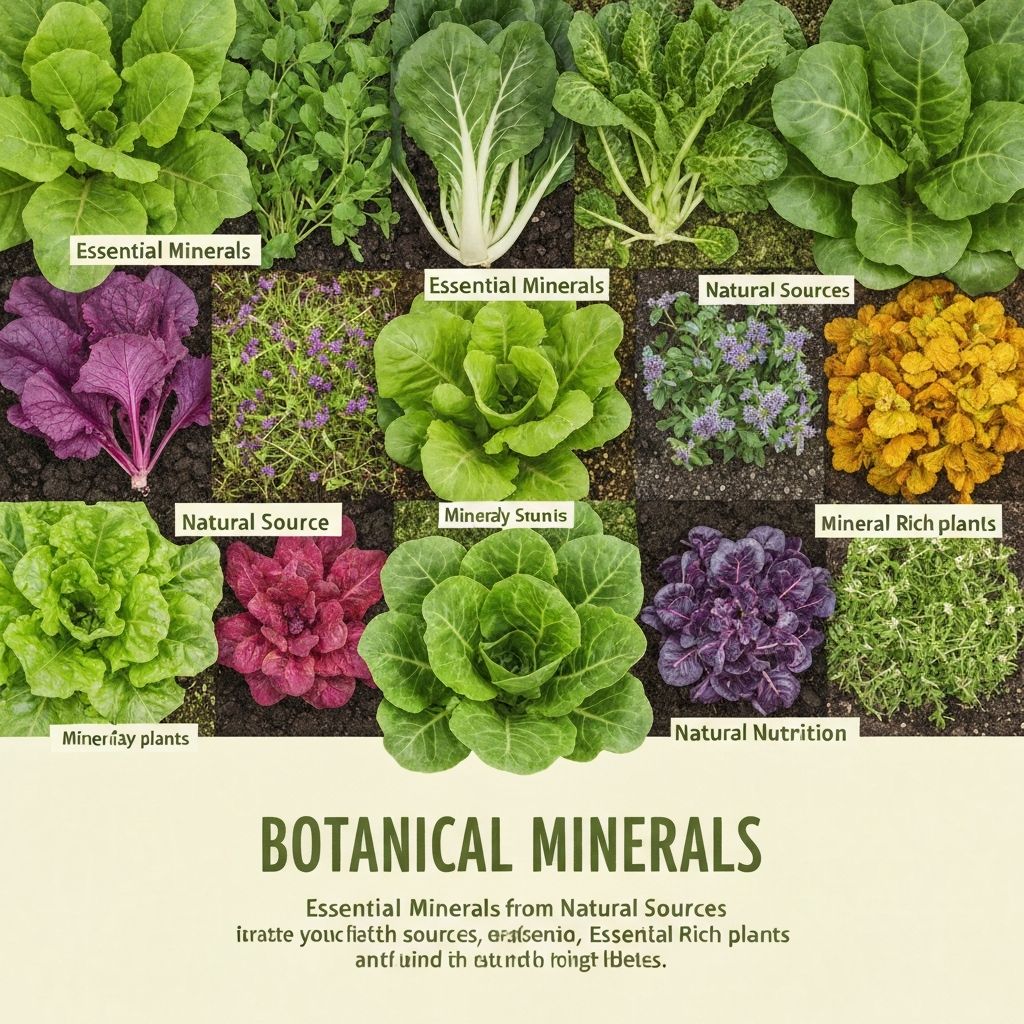
Mineral-Rich Botanicals
Many plants naturally accumulate essential minerals that support physiological processes critical to male wellness.

Antioxidant Support
Plant compounds with antioxidant properties support cellular processes and contribute to overall wellness through multiple mechanisms.
Lifestyle Integration for Mature Wellness
True wellness is not compartmentalized. The most effective approach integrates multiple dimensions:
- Dietary Practices: Consistent, nutrient-dense eating patterns support sustained energy.
- Movement Habits: Regular physical activity maintains strength, cardiovascular health, and mental well-being.
- Sleep Discipline: Consistent sleep practices support recovery and cognitive function.
- Stress Management: Daily practices for managing stress improve emotional resilience.
- Social Connection: Meaningful relationships and community engagement support mental and emotional health.
- Purpose and Engagement: Continued learning, creative pursuits, and meaningful work support psychological well-being.

The Holistic Perspective on Male Well-Being
Rather than focusing on specific conditions or outcomes, a holistic approach to wellness emphasizes building sustainable practices that support overall vitality:
Wellness as Process, Not Destination
Optimal wellness is not a fixed endpoint but rather an ongoing practice of supporting your health through consistent choices. This perspective relieves the pressure of perfectionism and emphasizes sustainability.
Vitality emerges from consistent practice of good sleep, nutritious eating, regular movement, stress management, and meaningful connection—applied with compassion and without rigidity.
When to Seek Professional Guidance
While general wellness practices support overall health, individual health situations are unique. Consult with qualified healthcare professionals for:
- Persistent sleep disturbances
- Unusual fatigue or changes in energy levels
- Mental health concerns like persistent anxiety or depression
- Changes in physical function or ability
- Any symptoms that concern you
Professional guidance is not a sign of weakness—it's a sign of commitment to comprehensive wellness.
Continue Your Wellness Journey
Explore more educational insights about natural wellness practices and holistic self-care.